
Specialist Dementia Care: What It Involves and When Someone Needs It
Many families reach a point where support at home no longer feels like enough. The question is rarely whether to help. It is what kind of help fits the person's needs.
Specialist dementia care is one option, and it is worth understanding before a situation becomes urgent. This guide explains what it involves, how it differs from general support, and the signs that suggest it may be needed. It draws on guidance from the NHS, NICE and Alzheimer's Society.
What is specialist dementia care?
Dementia is a syndrome, meaning a group of related symptoms linked to an ongoing decline in brain function. The NHS explains that it is not only about memory loss and is not a natural part of ageing. Symptoms can also affect thinking, communication, mood and behaviour.
Specialist dementia care is support built around those changes. It combines trained staff, structured routines and a setting that suits how dementia affects memory and perception. The aim is to reduce distress and help a person keep their independence and sense of identity for as long as possible.
Care and support are separate from medical treatment. Doctors and specialist services diagnose dementia and decide on any medication. The care works alongside them by supporting daily life.
How is specialist dementia care different from general support?
General support, such as visiting carers or a standard residential setting, helps with tasks like washing, dressing and meals. Specialist care adds a deeper understanding of how dementia changes behaviour and communication.
NICE guidance on dementia shows what this looks like in practice. It recommends that care staff receive training on understanding and responding to agitation, aggression, pain and other signs of distress. It also advises promoting freedom of movement and minimising restraint.
Three differences tend to matter most:
1. Training: staff learn to treat distress as a form of communication, not as bad behaviour.
2. Environment: layout and shared spaces are chosen to reduce confusion.
3. Consistency: familiar faces and routines build trust over time.
Homes use the phrase "specialist dementia care" in different ways. For families, the setting matters as much as the number of staff, so it helps to ask what training, spaces and routines are actually in place.
What does specialist dementia care involve day to day?
Good care starts with the person, not the diagnosis. NICE recommends a care and support plan that is agreed with the person and their family, and reviewed on a set schedule. It should reflect their likes, dislikes, routines and personal history.
Day to day, that usually includes:
- Help with personal care, eating and drinking
- A predictable daily routine
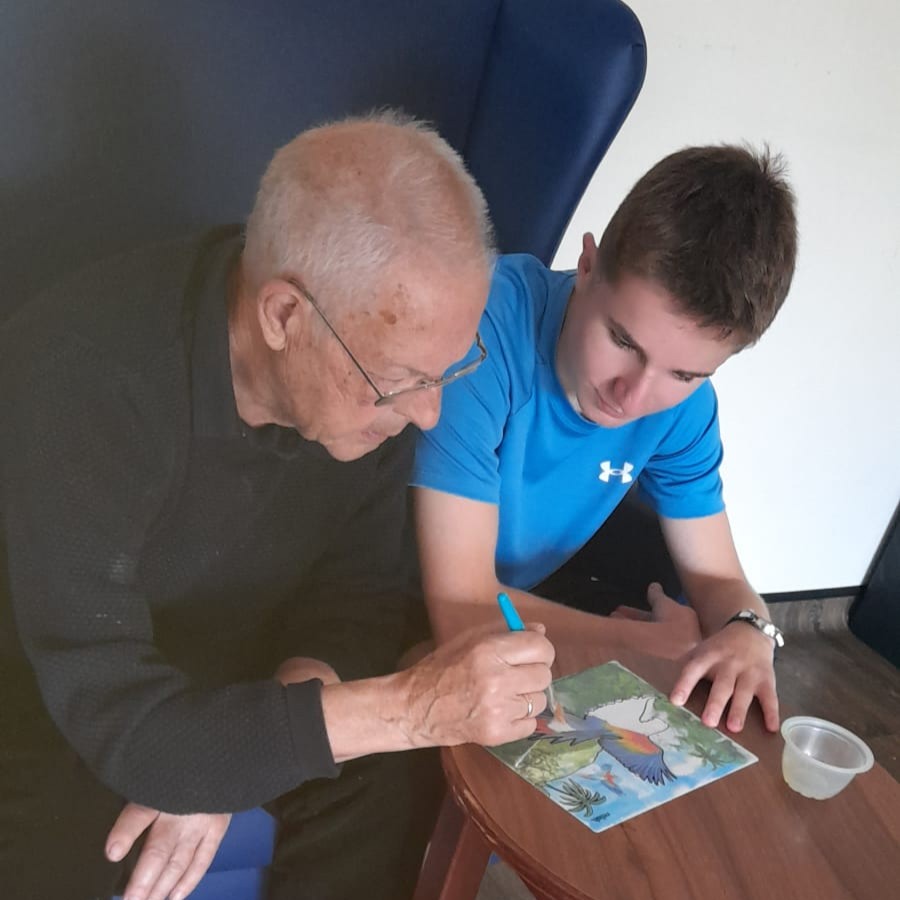
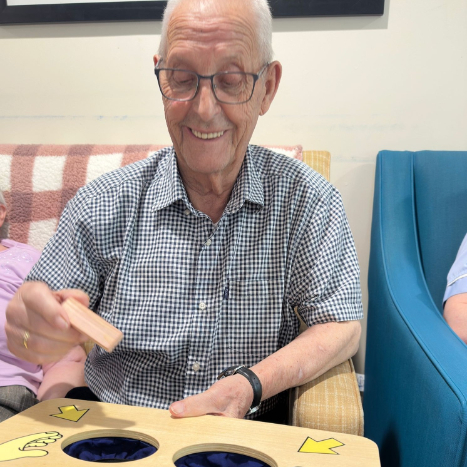
- Activities matched to ability and interest
- Calm, patient responses when someone is anxious or confused
- Regular contact with GPs and other healthcare professionals
Predictable routines can reduce confusion, which in turn can ease anxiety. NICE also recommends personalised activities for people who experience agitation or aggression to build engagement, pleasure and interest. Activities are therefore part of care, not an optional extra.
When does someone need specialist dementia care?
There is no single moment that suits everyone. Alzheimer's Society says a person usually moves into a care home when the right level of care is no longer possible where they live. It describes several common situations:
- They can no longer manage daily tasks, such as eating, without another person's help.
- They are no longer safe at home, for example because of repeated falls.
- Something unexpected happens, such as the main carer becoming ill.
- Their needs change after a hospital stay and they need continuous care, day and night.
- Their needs have become too challenging for family or friends to manage at home.
Specialist care becomes more relevant when dementia affects behaviour, safety or communication in ways that need consistent, trained support. Alzheimer's Society lists several common difficulties at home. These include aggression, repeatedly walking about or leaving the house, forgetting medicines, trouble eating and drinking, and safety risks such as leaving the oven on.
The stage of dementia matters less than the person's needs. Our guide to the stages of dementia explains how symptoms tend to change over time.
Carers' wellbeing counts too. NICE notes that carers of people living with dementia face a higher risk of depression. Carers also have a right to a carer's assessment. Staying at home with extra support remains a valid choice for some people, provided they stay safe and well.
How is the need for specialist care assessed?
It usually starts with the GP and, after diagnosis, a memory service. This is a specialist NHS team that assesses memory and thinking. NICE recommends that each person has a single named health or social care professional who coordinates their care. That person should arrange a needs assessment, face-to-face if possible.
In England, local authorities also carry out care needs assessments and carer's assessments. One check matters before assuming dementia has progressed. Sudden changes in behaviour are often caused by a physical problem, such as constipation, pain or a urinary tract infection.
NICE advises checking for pain, delirium (a sudden state of confusion, often linked to illness) or inappropriate care before treating distress. In practice, ask the GP for a health and medication review when behaviour changes suddenly.
NICE advises reviewing a person's needs and wishes after any move, including from home to a care home. Needs change, and care plans should change with them.
What does specialist dementia care look like in Stafford?
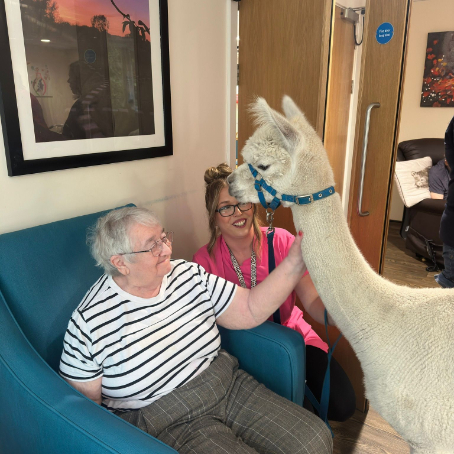
At Manor House Care Home in Stafford, dementia care takes place in The Village. This is a purpose-built area for residents living with dementia and mental health needs. It has four units of ten bedrooms, arranged as male-only, female-only and mixed communities. Our article on gender-specific dementia care explains why that choice can matter.
The Village has dedicated lounge and dining areas, and residents can use a secure sensory garden. Staff receive regular dementia care training and work with families and healthcare professionals. This keeps each care plan relevant as needs change.
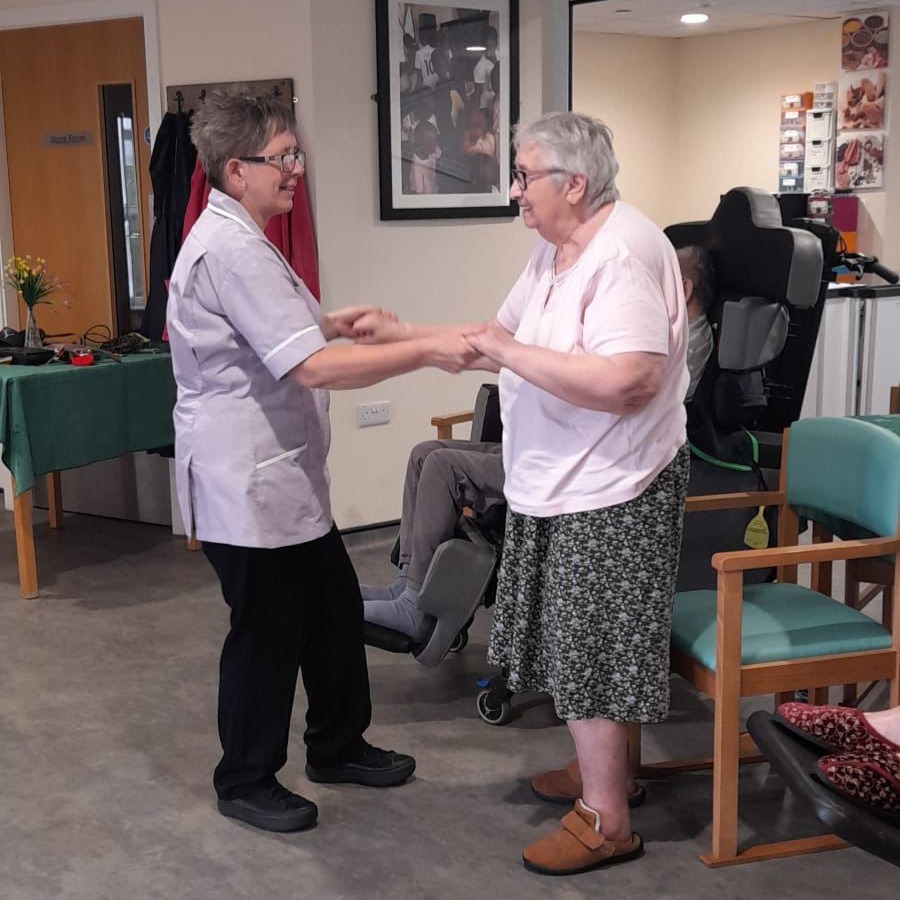
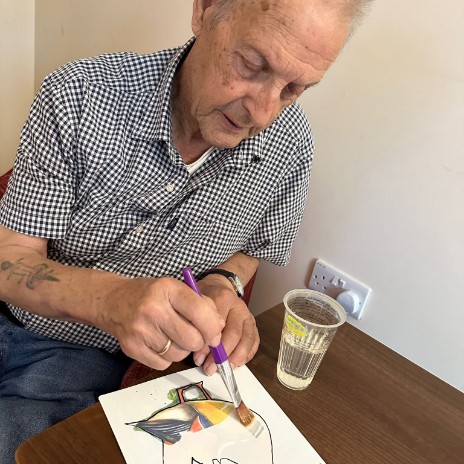
Activities are matched to ability and preference. Examples include music, baking, gentle exercise or time spent in conversation. Small, meaningful moments like these support well-being day to day.
How can families stay involved?
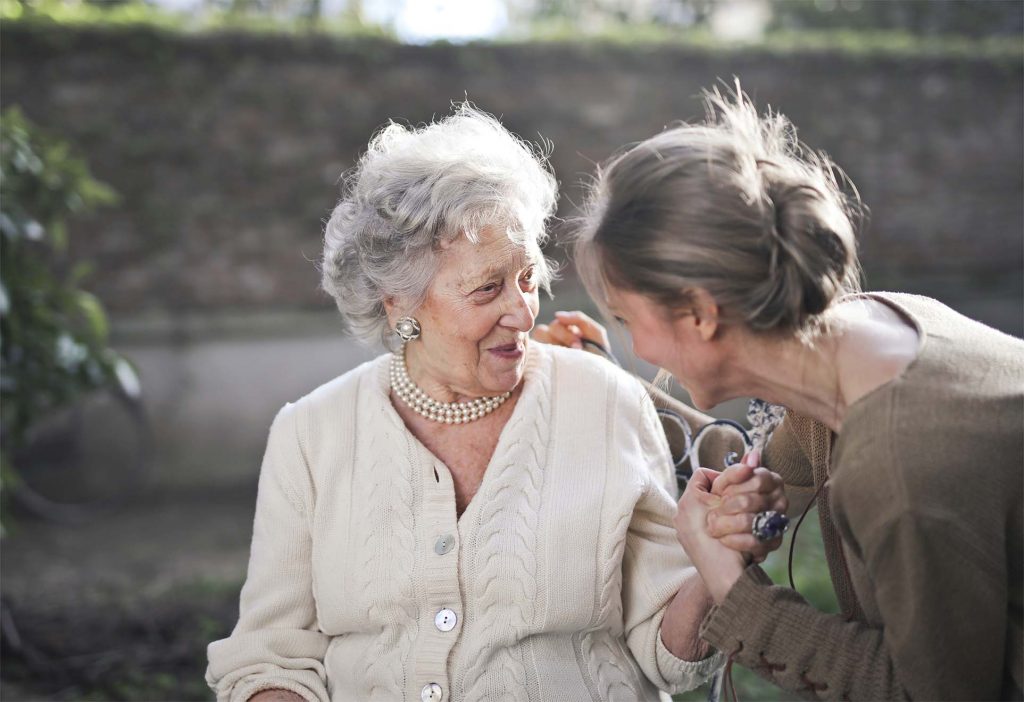
Family knowledge shapes good care. Relatives know the routines, music, food and habits that bring comfort. Life story and personal history are central to person-centred care.
At Manor House, families are encouraged to contribute to care planning, join activities, or spend time together in the café or garden. Relatives are treated as an important part of the care team.
Support for carers matters as well. NICE recommends education and skills training for carers, including how to understand and respond to changes in behaviour. Asking about this early can make a transition easier for everyone.
Specialist dementia care FAQs
Is specialist dementia care only for the later stages?
No. The need depends on behaviour, safety and daily support, not a fixed stage. Alzheimer's Society stresses that there is no time that is right for everyone.
What is the difference between specialist dementia care and nursing care?
Nursing care focuses on health needs managed by registered nurses. Specialist dementia care focuses on how dementia affects daily life, behaviour and communication. Manor House offers 24-hour care delivered by qualified nurses, alongside dementia support. You can read more about nursing care on our site.
Who decides when someone needs specialist dementia care?
The person should be involved as much as possible. Where they lack capacity, which means the ability to make a particular decision, NICE advises giving special consideration to their views in line with the Mental Capacity Act 2005. Family members and professionals are involved in decision-making.
Can someone with dementia stay at home with extra support?
For some people, yes. Start with a care needs assessment, plus a carer's assessment for family carers. The key test is whether the person stays safe and well.
What is person-centred care in dementia?
It means planning support around the individual's life story, preferences and routines, not just their diagnosis.
If you are beginning to think that your loved one may need more specialist support, it can help to talk through your concerns before a decision becomes urgent. The team at Manor House Care Home can answer your questions, explain the dementia care available and help you understand whether the home could meet your loved one’s needs. Get in touch with the team to arrange a conversation.