
Gender-Specific Dementia Care in Stafford: Male, Female & Mixed
Dementia affects memory, communication, mood and behaviour in ways that change over time, and the environment a person lives in becomes part of how well they are able to cope with those changes. For families and referring professionals researching a dementia care pathway, understanding why some care homes offer male-only, female-only and mixed communities rather than one fully mixed setting is an important part of choosing the right placement.
A gender-specific dementia care pathway is built around this idea. Rather than placing every resident into the same environment, care is structured so that a person's placement, whether that is a male-only community, a female-only community or a supported mixed setting, reflects their individual needs, history and presentation. At Manor House Care Home in Stafford, this approach is delivered within The Village, a purpose-built area designed specifically for residents living with dementia and mental health needs.
Understanding the Dementia Care Pathway for Single-Sex Communities
NICE guideline NG97 sets out that dementia care providers must respect a person's individual identity and that staff require specific training to recognise and respond to behavioural and psychological symptoms of dementia as they emerge. BPSD, including agitation, disinhibition and wandering, are common as dementia affects the frontal and temporal lobes, and a fully mixed unit can leave a resident vulnerable to distress they are no longer able to communicate or resolve for themselves. A single-sex dementia care setting reduces this specific category of risk by design.
At Manor House, dementia care is delivered by a team of specially trained staff who take the time to understand each resident's routines, life story and the things that bring them comfort. This forms the basis of a personalised care plan that shapes daily support, and within The Village, that same care plan also determines whether a male-only, female-only or mixed placement is the right fit. Professionals managing a referral can find the full assessment process on the referrers page.
Personalised Dementia Care Plans That Respect Identity
A care plan for gender-specific dementia support is not a fixed document. It develops as a resident's condition changes, drawing on regular review with families and healthcare professionals so that the dementia care plan remains relevant rather than static, in line with guidance from the Social Care Institute for Excellence on person-centred dementia support. This is the same approach Manor House applies across its specialist dementia care more broadly, and it is what allows the home to place someone appropriately within The Village rather than defaulting to whichever bed happens to be free.
Communication difficulties, memory loss and confusion are addressed through structured routines and calming surroundings, and staff are trained to recognise triggers specific to each resident rather than applying a generic response. For some residents, particularly those with a history of trauma or a strong retained sense of modesty, a same-sex environment removes a layer of anxiety that would otherwise need to be separately assessed and managed within their individual dementia care plan.
Reminiscence Therapy and Life Story Work in a Safe Environment
Reminiscence therapy uses music, photographs and familiar objects to engage long-term memory, and it is most effective when delivered within a peer group that shares comparable life experience. Life story work sits alongside this, building an ongoing record of a resident's background and preferences from admission onwards so that care remains grounded in who they are rather than only in their diagnosis, an approach also recommended by the Alzheimer's Society for residents in long-term care. Within a single-sex dementia community, both approaches tend to land more naturally, since conversation, humour and shared reference points often differ between male and female residents of the same generation.
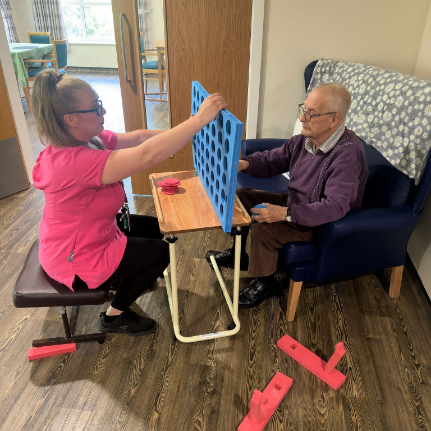
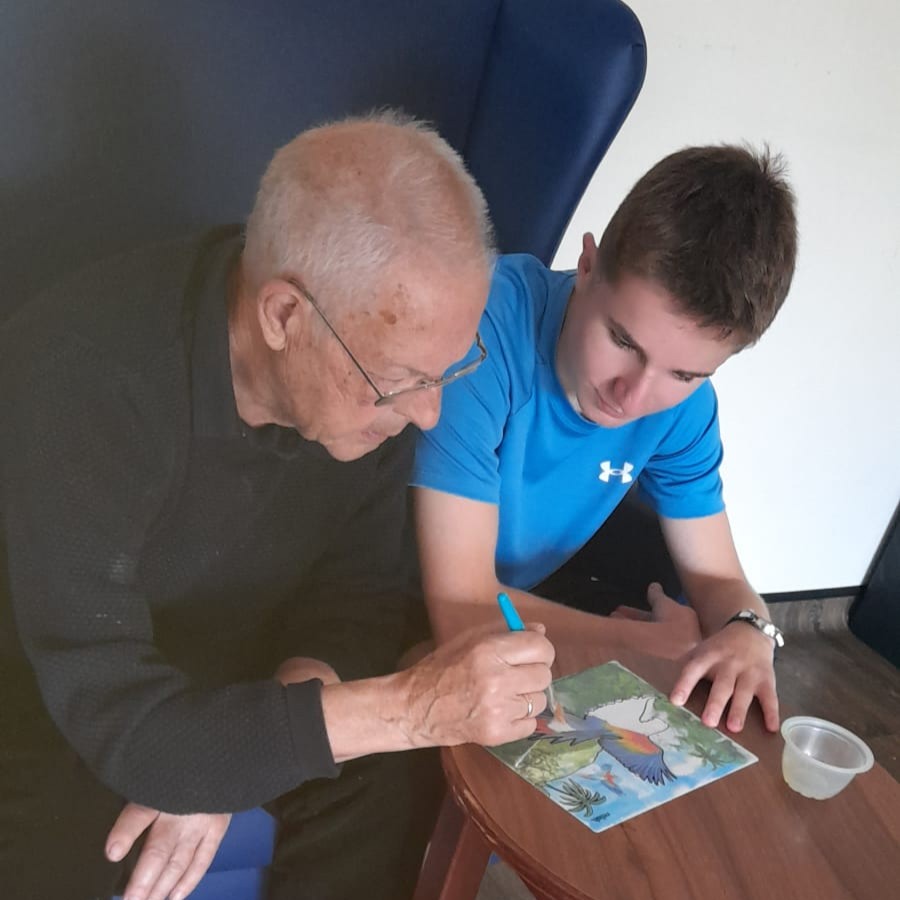
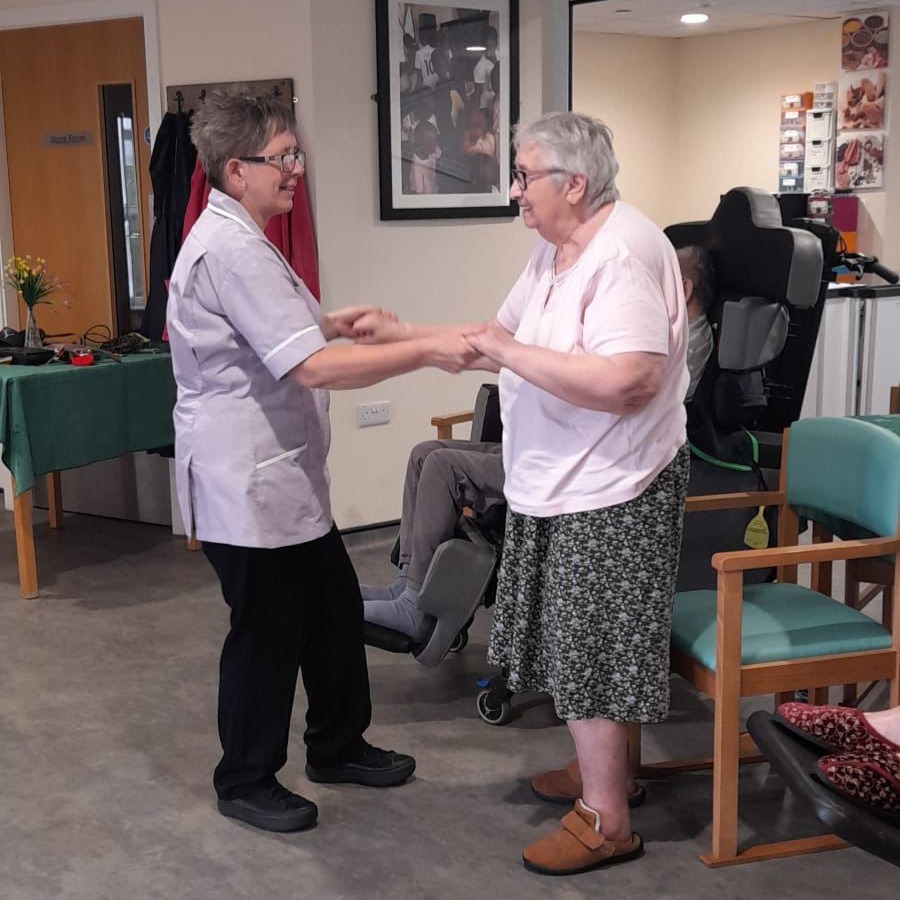
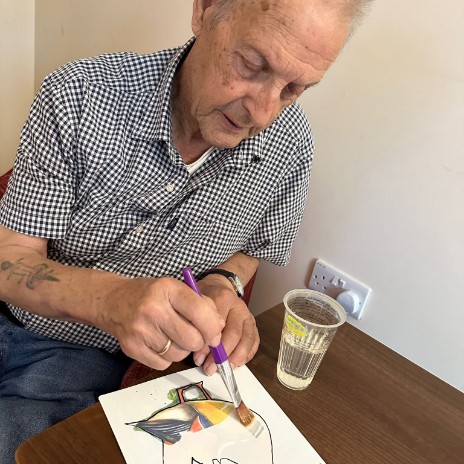
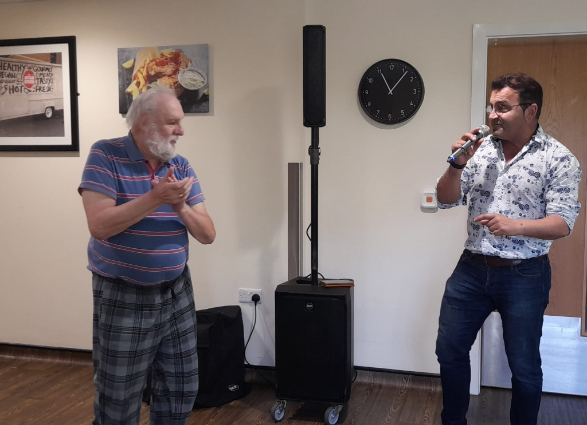
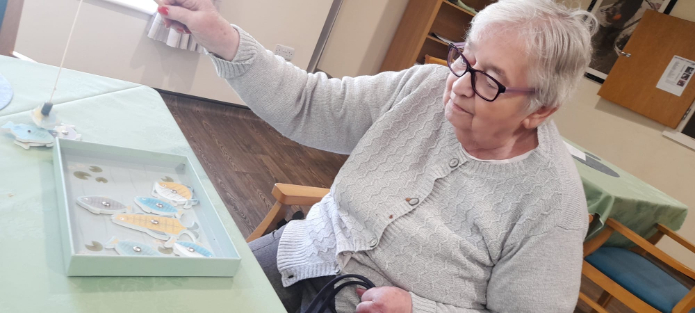
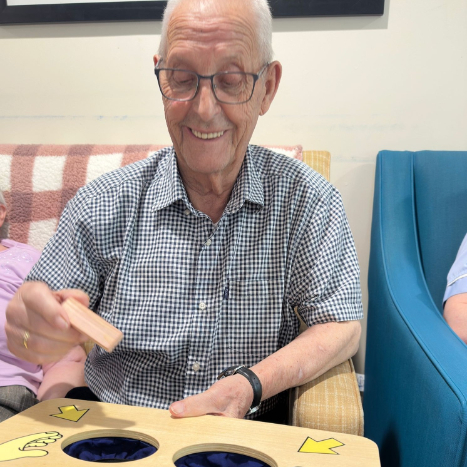
At Manor House, this is delivered through daily activities including baking, music sessions and gentle exercise as part of the home's activities programme, alongside quieter time in the sensory herb garden, which is designed to encourage calm and gentle movement for residents living with dementia.
Managing Behavioural and Psychological Symptoms with Compassionate Care
Agitation, confusion and disinhibition are recognised symptoms of dementia rather than character changes, and managing them compassionately means recognising them early rather than reacting after distress has already built. Within The Village, four self-contained units of ten bedrooms each are split into male-only, female-only and mixed communities, each with its own dedicated lounge and dining space. This physical separation gives staff a more predictable environment in which to manage BPSD, since much of the risk associated with disinhibition or confusion about personal boundaries is specific to mixed accommodation. Residents requiring closer nursing oversight alongside dementia support can also access Manor House's wider nursing care provision.
Occupational and emotional support work together here. Staff trained in dementia care are equipped to respond to distress with patience rather than correction, and the structure of a male-only or female-only unit supports that response by removing one of the more common triggers for agitation in residents with advanced dementia.
Supporting Residents and Families Throughout the Dementia Journey
A dementia diagnosis affects the whole family, and adjusting to a gender-specific placement can raise questions that a fully mixed model rarely does. Manor House actively encourages family involvement in care planning, and relatives are welcome to contribute to life story work, join activities or spend time together in the home's on-site café or garden.
Family input also feeds directly back into the dementia care plan itself. Understanding a resident's history, including their relationships and preferences around the company, helps the team confirm that a single-sex placement remains the right one as needs evolve.
From Home Care to The Village: When Gender-Specific Dementia Care Becomes Necessary
Many families manage dementia care at home for as long as possible, but as behavioural symptoms increase, a structured residential environment often becomes the safer option. Round the clock nursing support within The Village allows medication schedules, therapy routines and daily structure to be maintained consistently, which is harder to sustain at home as a condition progresses. For residents who have shown signs of distress around opposite sex companies or confusion about personal boundaries, a male-only or female-only dementia care setting can be the point at which day to day life becomes calmer for everyone involved. Some residents may also require respite care in the lead up to a permanent placement, giving families time to plan the right long term option.
Why Gender-Specific Dementia Care Matters
Manor House holds a Good rating from the Care Quality Commission, and gender-specific dementia care sits within that same standard of oversight rather than as a separate or lesser offering. Choosing between a male-only, female-only or mixed community is a clinical decision, made with the same rigour as any other part of a resident's dementia care plan, and it reflects a growing recognition across UK dementia care that one environment does not suit every resident equally well.
Frequently Asked Questions
What is gender-specific dementia care?
Gender-specific dementia care refers to accommodation organised into male-only, female-only or mixed communities rather than one fully mixed unit. At Manor House, this is delivered within The Village, where placement is based on each resident's individual dementia care plan.
Is a single-sex dementia care setting right for every resident?
Not necessarily. Placement depends on a resident's behavioural presentation, personal history and preferences, assessed as part of their ongoing dementia care plan rather than decided in advance.
Can families still be involved if a relative is in a male-only or female-only dementia unit?
Yes. Family involvement in activities and care plan reviews continues in exactly the same way across all three types of community within The Village.
How do care homes decide between male-only, female-only and mixed dementia care?
The decision is based on an individual assessment covering behavioural history, safeguarding considerations and personal preference, carried out by the care team before and after admission to ensure the placement continues to reflect the resident's needs.
If you would like to talk through whether male-only, female-only or mixed dementia care within The Village would suit your family's situation, get in touch with the Manor House team.