
When Does Someone Need 24-Hour Nursing Care? Signs They May Need More Support
Knowing when someone needs 24-hour nursing care is not always straightforward. Health needs can change gradually, with small difficulties becoming harder to manage safely at home.
For families in Stafford and beyond, recognising those changes early can help start the right conversations about care. Nursing care is not determined by age or a particular diagnosis alone. It is about whether a person's health and care needs require ongoing support from qualified nurses.
What Is 24-Hour Nursing Care and Who Is It For?
24-hour nursing care is designed for people who need ongoing nursing support alongside personal care and help with everyday activities. Unlike residential care, nursing care provides qualified nurses on duty at all times. NICE uses this distinction when describing residential settings, defining nursing care as personal care with qualified nurses on duty at all times.
This can be appropriate when someone has health needs that require regular observation, nursing interventions or clinical oversight. These needs might follow an illness or injury, develop alongside a long-term condition, or increase as a person's mobility and ability to manage daily activities change.

What Signs Suggest Someone May Need Nursing Care?
Often, there is no single moment when nursing care suddenly becomes necessary. Instead, families may notice several changes happening together.
Repeated falls are one example. Falls can have many causes, including reduced strength or balance, long-term health conditions, changes in vision or hearing, low blood pressure and medication side effects. NICE recommends comprehensive falls assessment and management in residential care settings, with interventions tailored to the individual's risk factors.
A fall does not automatically mean someone needs nursing care. However, repeated falls, increasing mobility difficulties, or a growing need for help to transfer from a bed or chair can indicate that a person's needs should be reassessed.
Medication can also become harder to manage safely. Someone who once organised their own medicines may begin forgetting doses, taking them incorrectly or struggling with a complicated medication routine. NICE recommends processes in care homes to ensure medicines are used safely and effectively, including recording administration and responding to errors, side effects and refusals.
Other changes may include increasing difficulty maintaining nutrition or hydration, wounds that need ongoing attention, continence-related health needs, or a growing requirement for monitoring after illness.
When Do Increasing Health Needs Make Nursing Care Necessary?
Nursing care becomes particularly relevant when a person's needs require regular clinical input rather than occasional assistance.
For example, someone may need ongoing monitoring because their health is unstable, or require nursing support following a significant illness or hospital stay. Another person may have reduced mobility alongside several long-term conditions, making everyday care more complex.
Swallowing difficulties can also require careful assessment and support. The same applies where a person has complex wound care needs, requires catheter care, or needs regular observation because of changes in their health.
These situations do not automatically mean that 24-hour nursing care is required. The question is whether the person needs nursing support that cannot be provided safely or consistently through their existing arrangements.
What Does Nursing Care Look Like Day to Day?
Nursing care is not simply about responding when someone becomes unwell. Good nursing provision also involves understanding the person's usual health and recognising when something changes.
At Manor House, each resident has a personalised care plan developed around their individual needs. The home's nursing provision includes the Hyde Lea Unit, which is dedicated to general nursing care, while qualified nurses and healthcare professionals provide 24-hour care across the home.
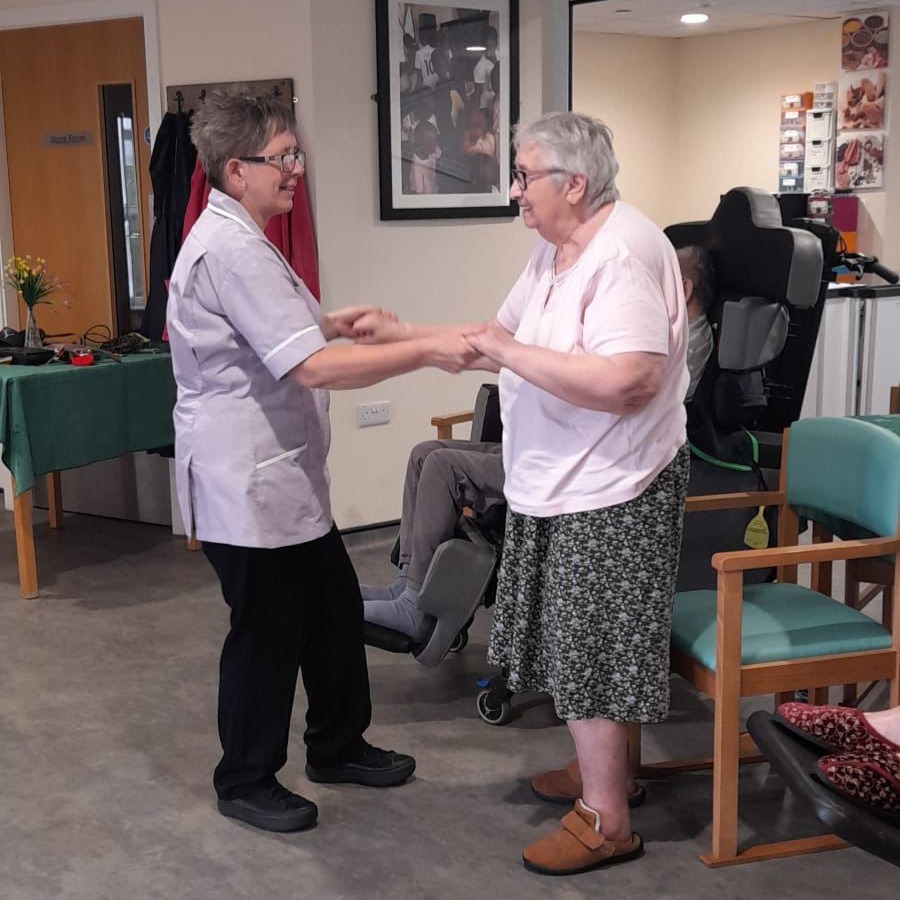
Day-to-day nursing support may involve administering and monitoring medicines, observing changes in health, supporting mobility and personal care, and communicating relevant concerns to other healthcare professionals.
The level of support should reflect the individual. Someone may need substantial nursing input in one area while remaining independent in others. A care plan therefore needs to reflect what the person can do, what support they need and how those needs may change.
How Can Nursing Care Support Someone Whose Needs Are Changing?
A person's care needs can change even when their diagnosis stays the same. Dementia is one example. As dementia progresses, communication can become more difficult, and a person may have greater difficulty explaining pain, discomfort or other health problems. Alzheimer's Society highlights how communication can change as dementia progresses and how behaviour may also change.
For someone who also has nursing needs, these changes can make regular observation and communication particularly important. Staff may need to understand changes in the person's usual behaviour and communicate concerns appropriately.
The same principle applies to physical health. A person who previously managed transfers independently may begin needing assistance. Someone who once managed their medicines may need increasing support. A person recovering from illness may initially need more nursing input before their needs stabilise.
Regular review helps identify these changes rather than relying on a crisis to reveal them.
When Is It Time to Consider Moving From Residential to Nursing Care?
A move from residential care to nursing care may be considered when a person's health needs become more complex or require regular nursing involvement.
Families may notice that personal care is becoming increasingly difficult alongside health-related needs. There may be more frequent falls, increasing assistance with mobility, greater medication support, or a need for regular nursing observation.
A change following hospital discharge can also prompt a reassessment. The important question is not simply whether someone has become more dependent, but whether their needs now require the level of nursing support provided in a nursing setting.
How Can Families Tell If Nursing Care Is the Right Level of Support?
If you are unsure whether someone's needs have reached the point where nursing care should be considered, start with an assessment rather than waiting for a crisis.
The NHS advises that the first step is to request a care needs assessment from the local council. The assessment considers how someone manages everyday activities and what care and support could help. It can also be helpful to speak with the person's GP or other healthcare professionals involved in their care.
Families should look at the pattern over time. Is the person having more falls? Are medicines becoming difficult to manage? Are they struggling with transfers, nutrition, how individual care needs are assessed, and how care plans are reviewed when someone's health changes? It is also useful to ask how medicines are managed and how the nursing team communicates with GPs and other, and about continence or personal care. Are health changes becoming harder to identify or respond to?
These questions can help build a clearer picture of whether existing support remains appropriate.
What Should Families Look For When Choosing Nursing Care?
Once nursing care is being considered, families should look beyond the fact that a home describes itself as a nursing home.
Ask how qualified nurses are available throughout the day and night, how individual care needs are assessed, how care plans are reviewed when someone's health changes and how the nursing team communicates with GPs and other healthcare professionals.
The physical environment matters too. A person whose mobility has changed may need suitable spaces and support with transfers, while someone with more complex health needs may require a care plan that can adapt as circumstances develop.
At Manor House Care Home in Stafford, nursing care is provided within the dedicated Hyde Lea Unit, with personalised care planning and 24-hour support from qualified nurses and healthcare professionals.
Frequently Asked Questions
What is the difference between residential care and nursing care?
Residential care provides personal care and support with everyday activities. Nursing care provides this support alongside qualified nurses on duty, making it appropriate for people whose needs require ongoing nursing input.
Does 24-hour nursing care mean someone is constantly supervised?
Having nurses available around the clock does not mean a person receives continuous one-to-one observation. Nursing support is based on individual needs, while appropriate independence and privacy should be maintained.
Do repeated falls mean someone needs nursing care?
Not necessarily. Falls can have many causes and should be assessed in context. However, repeated falls alongside declining mobility, other health problems or increasing support needs may indicate that a person's care arrangements should be reviewed.
When should a family ask for a care needs assessment?
If someone is finding everyday activities increasingly difficult or their health and care needs are becoming harder to manage safely, it is reasonable to request an assessment. The NHS advises contacting the local council's social services department to request one.
Can nursing care needs change after someone moves into a care home?
Yes. Health and mobility can change over time, so nursing needs should be reviewed when circumstances change. A personalised care plan should reflect those changes and the support the person currently requires.
If you are considering whether 24-hour nursing care may be appropriate, visit us at Manor House Care Home in Stafford to discuss the steps ahead for your loved ones.