

How to Choose the Right Care Home – A Guide for Families
Choosing a care home for yourself or a loved one is one of the most important decisions you will ever make. Whether you are beginning to explore care options, planning for the future or looking for specialist support following a change in health, the process can feel overwhelming at first.
With so many care homes available, it can be difficult to know what separates a good care home from the right care home. While facilities and appearance are important, the quality of care, the experience of the team and the overall atmosphere within the home are often what make the biggest difference to residents and their families.
This guide explores what to look for when choosing a care home and how to make an informed decision that supports both current and future needs.
Understanding the Level of Care Required
Before beginning your search, it is important to understand what type of care is needed. Some people may require support with everyday tasks such as personal care, medication management and mobility, while others may need specialist dementia care, nursing care or support for more complex health conditions.
Taking the time to understand both current and future care needs can help ensure the home you choose is able to provide consistent support as circumstances change. Speaking with healthcare professionals, hospital discharge teams or social care services can often provide useful guidance when determining the most appropriate type of care.
Visit the Care Home in Person
A website can provide helpful information, but there is no substitute for visiting a care home in person. Walking through the home allows you to experience the environment, meet the team and gain a genuine understanding of daily life.
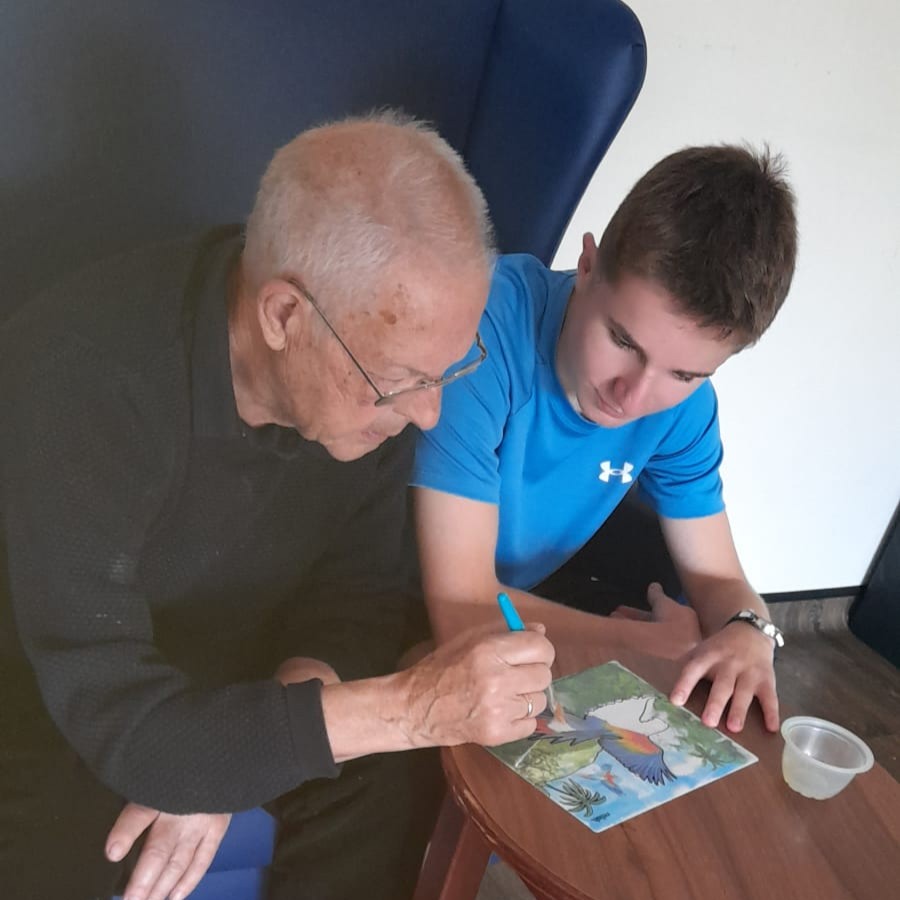
During your visit, pay attention to how residents and staff interact with one another. A warm greeting, familiar conversations and genuine engagement can often reveal far more than brochures or photographs. Consider whether residents appear comfortable, relaxed and involved in daily life.
It can also be beneficial to visit more than once, perhaps at different times of the day, to gain a broader understanding of how the home operates and how residents are supported throughout their daily routines.



Look Beyond the Facilities
Modern facilities and attractive surroundings are important, but they are only one part of the overall picture. A care home should offer an environment where residents can enjoy a fulfilling lifestyle alongside receiving the support they need.
Consider how the home supports wellbeing, independence and social engagement. Look for welcoming communal areas, comfortable outdoor spaces and opportunities for residents to take part in meaningful activities. Ask how residents spend their days and how the home encourages people to continue enjoying hobbies, interests and social connections.
A care home should feel like a place where people live, not simply somewhere they receive care.
Ask About Person-Centred Care
Every individual has their own preferences, routines, life experiences and support needs. A good care home will take the time to understand these differences and tailor care accordingly.
Ask how care plans are developed and how often they are reviewed. Find out how residents and their families are involved in care decisions and how the team adapts support when needs change over time.
Person-centred care should underpin everything within the home, helping residents maintain dignity, independence and choice wherever possible.
Get to Know the Team
The people providing care are at the heart of every successful care home. Experienced, compassionate and well-trained staff play a vital role in creating a safe and supportive environment.
When visiting a home, take the opportunity to speak with team members and ask about their experience, training and approach to care. Understanding how staff support residents living with dementia, nursing needs or other complex conditions can provide valuable reassurance.
It is also worth asking about staff continuity and how the home ensures residents build trusting relationships with the people caring for them each day.


Understanding CQC Ratings
The Care Quality Commission (CQC) regulates care homes in England and carries out regular inspections to assess areas such as safety, effectiveness, responsiveness and leadership.
Reviewing a home's latest CQC report can provide useful insight into how the service is performing. However, inspection ratings should be viewed as one part of the decision-making process rather than the sole deciding factor.
Visiting the home, meeting the team and experiencing the atmosphere for yourself are equally important when assessing whether a care home is the right choice.
Consider Daily Life Within the Home
When someone moves into a care home, it becomes their home. Understanding what daily life looks like is therefore an important part of the decision-making process.
Ask about activities, events and opportunities for social engagement. Find out how the home supports residents' wellbeing, whether meals can be adapted to personal preferences and how families remain involved in daily life.
The best care homes create environments where residents can continue enjoying meaningful experiences while receiving the support they need.
Planning for Future Care Needs
Health and care needs can change over time. While a care home may meet current requirements, it is worth considering whether it can continue supporting an individual if their needs become more complex in the future.
Many families find reassurance in choosing a home that can provide additional support if circumstances change, reducing the likelihood of a disruptive move later on.
Understanding the range of services available can help ensure long-term continuity of care and peace of mind for both residents and their families.
Common Mistakes Families Make When Choosing a Care Home
One of the most common mistakes is focusing solely on appearance. While attractive surroundings are important, they should never outweigh the quality of care being delivered.
Another mistake is rushing the decision. Whenever possible, take time to visit multiple homes, ask questions and involve your loved one in the process. Gathering information from different sources can help you make a balanced and informed choice.
Families should also avoid overlooking future care needs. Choosing a home that can adapt as circumstances change can often provide greater stability and reassurance in the years ahead.
Choosing a Care Home with Confidence
Finding the right care home is about much more than selecting a building. It is about finding a place where people feel safe, respected and supported to live fulfilling lives.
A good care home should provide high-quality care while also promoting independence, wellbeing and meaningful daily experiences. Families should feel welcomed, informed and confident that their loved one is receiving compassionate support from a team that genuinely cares.
By taking the time to visit homes, ask questions and understand how care is delivered, you can make a decision that provides peace of mind and helps ensure the best possible outcomes for your loved one.
Frequently Asked Questions
How do I know when it is time to consider a care home?
Many families begin exploring care home options when daily tasks become difficult to manage, health needs become more complex or a loved one's safety and wellbeing can no longer be fully supported at home. Every situation is different, but seeking advice early can help families make informed decisions without feeling rushed.
What should I look for when visiting a care home?
Pay attention to the atmosphere within the home, how staff interact with residents and whether people appear comfortable, engaged and well supported. It is also important to consider cleanliness, activities, dining experiences and the overall feeling of the environment.
Is a CQC rating the most important factor?
CQC ratings are an important indicator of quality and compliance, but they should not be the only factor considered. Visiting the home and speaking directly with residents, families and staff can provide valuable insight that inspection reports alone cannot offer.
Can residents personalise their rooms?
Most care homes encourage residents to bring personal belongings, photographs and decorations to help create a familiar and comfortable living environment that feels like home.
Should families be involved in care planning?
Yes. Good care homes work closely with residents and families to ensure care plans reflect individual preferences, routines and support needs. Family involvement can help ensure care remains truly person-centred.
Looking for a Care Home in Stafford?
At Manor House Care Home, we understand that choosing care is a significant decision. Our experienced team is here to answer your questions, show you around the home and help you understand the support available. Contact us today to arrange a visit and discover what makes Manor House a welcoming place to call home.