

What was Stephen Hawking’s Condition?
Stephen Hawking was diagnosed as a young man with Motor Neurone Disease (MND), a condition that affects the brain and spinal cord and gradually weakens the muscles. Stephen Hawking was diagnosed with an early-onset, slow-progressing form of motor neurone disease at the age of 21.
MND damages motor neurons, the nerve cells that send messages from the brain to the muscles. As these neurons stop working, muscles weaken and waste away, which can lead to difficulties with movement, speaking, swallowing, and breathing. As Hawking's disease progressed, his mobility and speech were increasingly affected. Over time, the condition can profoundly affect everyday life, often requiring increasing support from family members, carers, and healthcare professionals. After losing his ability to speak, Hawking communicated through a speech-generating device and a specialised computer program, which enabled him to continue his work and communicate effectively.
While MND is life-limiting and currently has no cure, people experience it very differently. Stephen Hawking’s long life with the condition was unusual, but it highlights how specialist medical care, adaptive technology, and consistent support can help someone maintain independence, purpose, and quality of life for many years.
Understanding the Motor Neurone Disease
Motor Neurone Disease is a complex neurological condition that affects the nerves responsible for movement. These motor neurons normally carry messages from the brain to the muscles, allowing us to walk, speak, swallow, and breathe. When these signals begin to fail, muscles gradually weaken and lose their ability to work properly.
Common symptoms of MND can include muscle weakness in the arms or legs, stiffness or cramps, slurred speech, and difficulty swallowing. As the person's condition progresses, breathing muscles may also be affected. It is important to understand that MND does not usually affect a person’s memory, intelligence, or senses, which means many people remain mentally alert and fully aware of what is happening around them.
One of the most challenging aspects of MND is that it progresses differently for everyone. Some people may notice changes over months, while for others the condition advances more slowly. Because of this, having a personalised care plan is essential. Care plans are regularly reviewed and adapted to reflect changes in symptoms, abilities, and personal preferences. It is crucial to assess and address individual care needs as the person's condition changes to ensure appropriate support. Regular assessments should occur every 2–3 months to manage changing symptoms effectively.
Life Expectancy and Prognosis
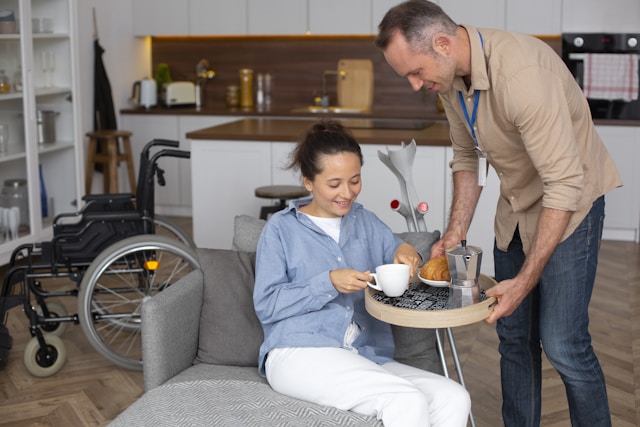
Life expectancy following a diagnosis of Motor Neurone Disease can vary significantly from person to person. For many people, the average life expectancy is around two to three years after diagnosis. However, this is only a general guide and does not reflect the wide range of experiences seen in practice. As the disease progresses, individuals and families can expect increasing challenges with mobility, communication, and daily activities, requiring more comprehensive motor neurone disease care and support.
Some individuals experience a faster progression of symptoms, while others live with MND for much longer. Stephen Hawking is a well-known example of someone who lived for decades after diagnosis, although this is rare. His experience shows that while MND is a serious and life-limiting condition, its course is not the same for everyone and can be influenced by many factors, including the type of MND, overall health, and access to specialist care and support.
Arranging Care for Someone with MND
Arranging care for someone living with Motor Neurone Disease requires a thoughtful and coordinated approach. To arrange MND care, it is important to guide individuals and their families through setting up the necessary care services in a supportive and hassle-free way. As the condition progresses, needs can change, sometimes gradually and sometimes more quickly, so early planning is important. Care is usually organised in partnership with the person affected, their family, and a wider healthcare team to ensure support remains appropriate and person-centred.
Local authority adult social care services can conduct needs assessments to arrange essential services for individuals with MND. A detailed care plan should reflect the individual’s symptoms, daily routines, preferences, and goals. This plan often involves input from multiple professionals, including neurologists, specialist nurses, occupational therapists, physiotherapists, and speech and language therapists. Regular reviews help ensure the plan continues to meet the person’s needs as their condition changes.
When planning care, it is important that family members, unpaid carers, and the wider care team are involved in the process, contributing their expertise and supporting decision-making. As MND advances, some people may require additional medical support such as non-invasive ventilation to help with breathing or feeding support if swallowing becomes difficult. These interventions can feel daunting, but with the right guidance, training, and specialist equipment, many people are able to continue living comfortably and safely.
Living with Motor Neurone Disease
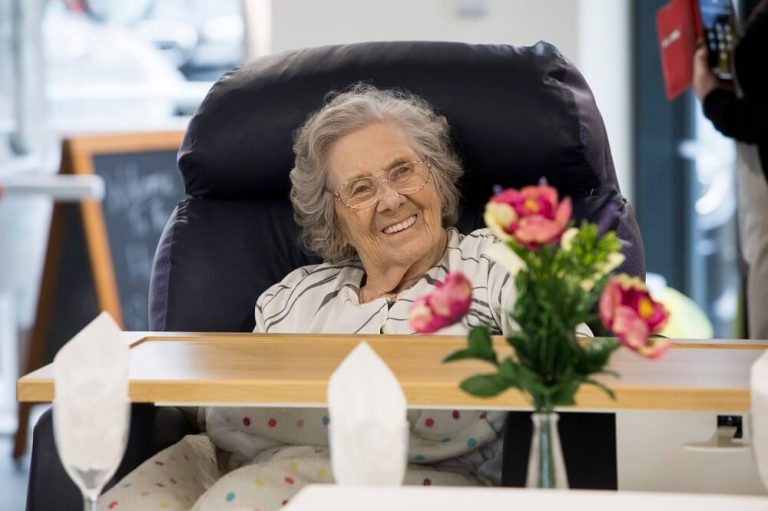
Living with Motor Neurone Disease often means adapting to gradual changes in physical ability while finding ways to maintain comfort, dignity, and independence for as long as possible. Receiving motor neurone disease care in one's own home and familiar surroundings can reduce anxiety, improve mental health, and promote a sense of independence. Everyday tasks that were once taken for granted may become more challenging, and many people require adjustments to their routines and surroundings to help them continue living safely and comfortably.
As muscle weakness progresses, individuals with MND may need mobility aids such as walking supports or a wheelchair. Widespread muscle wasting will affect a person's ability to move around and do daily tasks, and 80% of people with MND will need to use a wheelchair. Difficulties with speech are common, which can be particularly frustrating, but communication aids and computer-based programs can make a meaningful difference. Prioritising assistive technology, such as eye-tracking devices and voice banking, in MND care plans is essential for maintaining communication.
Swallowing problems (dysphagia) are common in MND, making it difficult or unsafe to eat or drink. Maintaining adequate food and nutrition is crucial, and some people may choose to have a feeding tube to receive nutrition and take medicines if they can no longer swallow.
Emotional wellbeing is just as important as physical care. Living with a progressive condition can bring feelings of grief, frustration, and anxiety, alongside moments of resilience and determination. Cognitive or behavioural changes occur in up to 50% of people with MND, necessitating structured routines for communication. Access to counselling, emotional support, and understanding care professionals can help individuals process these feelings and feel less alone. With the right support in place, many people with MND continue to find purpose, connection, and moments of enjoyment in their daily lives.
Physiotherapy can help manage symptoms such as muscle cramps and stiffness, and professional intervention is important for addressing these issues.
MND Care and Support
Care and support for people living with Motor Neurone Disease focus on managing symptoms, maintaining comfort, and supporting quality of life at every stage of the condition. Because MND affects each person differently, care is usually coordinated through a multidisciplinary team that works together to provide responsive, compassionate support.
This care team may include specialist nurses, occupational therapists, physiotherapists, speech and language therapists, dietitians, and palliative care professionals. Together, they help manage symptoms such as muscle weakness, breathing difficulties, and communication challenges, while also supporting emotional wellbeing. The aim is not only to address physical needs but to help individuals continue doing the things that matter most to them for as long as possible.
Specialist palliative care can be introduced early and does not mean end-of-life care alone. Early referral to a specialist team is important, as they can provide support, guidance, and signposting even before full palliative care is needed.
Family members and carers are central to MND care and often need guidance and reassurance themselves. Clear information, training, and access to ongoing support help carers feel more confident in their role and reduce the risk of burnout.
Support for Carers and Family
Caring for someone with Motor Neurone Disease can be deeply meaningful, but it can also be emotionally and physically demanding. As the condition progresses, carers and family members often take on increasing responsibilities, which can affect their own wellbeing if the right support is not in place.
Access to clear information and practical guidance is essential. Understanding how MND may change over time, learning how to use specialist equipment, and knowing who to contact for help can make caring feel more manageable. A dedicated care team can provide training, advice, and reassurance, helping carers feel more confident and supported in their role.
Emotional support is just as important as practical help. Feelings of stress, anxiety, grief, and exhaustion are common for family members caring for someone with a progressive condition. Speaking with a counsellor, joining a support group, or simply having space to talk openly about these feelings can help carers process their experiences and avoid becoming overwhelmed.
Organisations such as the Motor Neurone Disease Association offer invaluable support for carers and families. This includes helplines, peer support, and access to specialist advice. With the right guidance and emotional backing, carers are better able to look after their own wellbeing while continuing to provide compassionate, loving care for their family member.
Research and Developments
Research into Motor Neurone Disease is ongoing and continues to improve understanding of how the condition develops and how it can be managed more effectively. Scientists and clinicians around the world are working to identify the underlying causes of MND, explore genetic and environmental factors, and develop treatments that may slow progression or improve quality of life.
While there is currently no cure for MND, advances in symptom management, assistive technology, and supportive care have already made a meaningful difference. New approaches to respiratory support, communication aids, and nutritional care help people live more comfortably and stay connected with others for longer. Clinical trials also play an important role, testing potential treatments and therapies that may offer hope for the future.
Staying informed about research developments can help individuals and families feel more empowered. A specialist care team can explain what new findings may mean in practical terms and, where appropriate, discuss opportunities to take part in research or clinical trials. This ensures information is shared in a clear, realistic, and supportive way.
In the UK, organisations such as the Motor Neurone Disease Association support vital research through funding and advocacy, while also keeping families updated on progress in the field. Although research takes time, continued developments offer hope, not only for future treatments, but for improving care, comfort, and quality of life for people living with MND today.
Living Independently at Manor House Care Home in Stafford
Stephen Hawking’s life helped shine a light on Motor Neurone Disease, but behind the public story is a condition that affects thousands of individuals and families in deeply personal ways. MND is complex, progressive, and life-changing, yet with the right care, support, and understanding, people can continue to live with dignity, comfort, and purpose.
From personalised care plans and specialist therapies to emotional support for families and carers, living well with MND relies on a compassionate, coordinated approach. Early planning, access to expert healthcare professionals, and the involvement of trusted organisations can make a meaningful difference to quality of life at every stage of the condition.
For families exploring specialist support in a care setting, choosing a home that understands complex neurological conditions is essential. Manor House Care Home offers professional, person-centred care in a supportive environment, with experienced teams who focus on comfort, dignity, and individual needs. If you would like to learn more about specialist care options or discuss how Manor House can support you or a loved one, their team is always happy to talk and offer guidance.
Here at Manor House, we understand the unique challenges faced by individuals living with Motor Neurone Disease. Our team is committed to providing compassionate care and support to help you navigate every aspect of your MND journey. From personalised symptom management to assistance with daily tasks, we are here for you and your loved ones. Don’t hesitate to contact us today to learn more about our services.